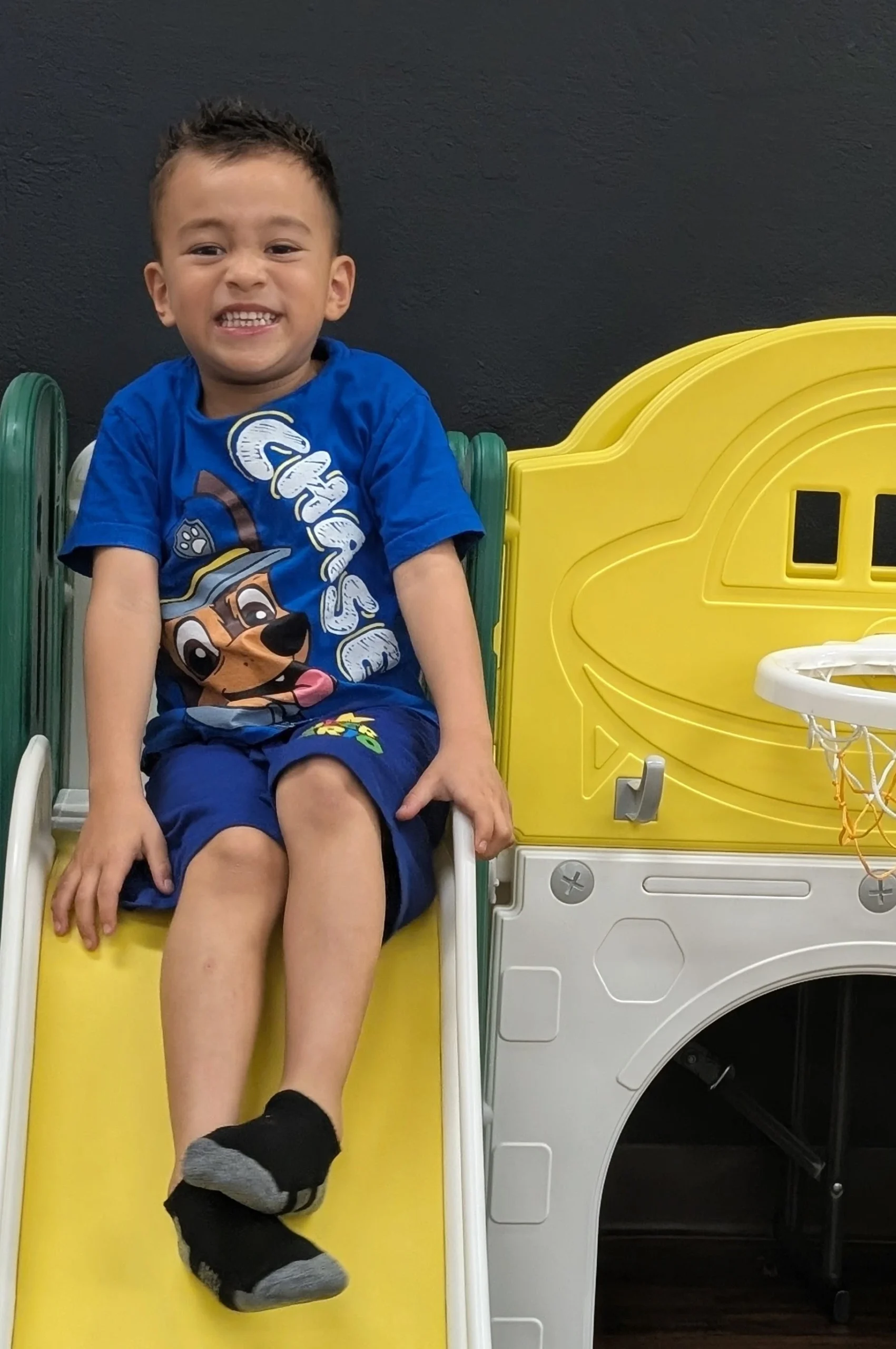
After-school programs offer a valuable space for children to grow, learn, and explore beyond the classroom. Yet, not all programs achieve the same level of impact. The key to making these programs more effective lies in the activities they offer. Well-designed activities can boost student engagement, improve social skills, and support academic success. This post explores practical activities that can transform after-school programs into dynamic environments where children thrive.
Hands-On Learning Activities
Children learn best when they can interact directly with materials and ideas. Hands-on activities encourage curiosity and critical thinking. Examples include:
- Science experiments: Simple projects like making a volcano with baking soda and vinegar or growing plants teach scientific concepts in a fun way.
- Art projects: Painting, sculpting, or crafting help children express creativity and improve fine motor skills.
- Building challenges: Using blocks, LEGO, or recycled materials to build structures promotes problem-solving and teamwork.
These activities allow children to apply knowledge practically, making learning memorable and enjoyable.
Physical Activities That Build Teamwork
Physical movement is essential for healthy development and can also teach important social skills. Incorporating group sports or games helps children learn cooperation, communication, and leadership. Some effective options are:
- Team sports: Soccer, basketball, or relay races encourage collaboration and healthy competition.
- Group games: Activities like capture the flag or obstacle courses build trust and strategic thinking.
- Dance and movement: Dance classes or simple movement games improve coordination and self-expression.
Physical activities also help children release energy and reduce stress, creating a positive atmosphere for learning.
Academic Support with a Twist
After-school programs often include homework help or tutoring. To make academic support more engaging, consider blending it with interactive methods:
- Learning stations: Set up different areas focused on math, reading, or science with games and puzzles.
- Peer tutoring: Older students help younger ones, reinforcing their own knowledge while building confidence.
- Technology integration: Use educational apps or interactive whiteboards to make lessons more dynamic.
These approaches keep students motivated and make academic work feel less like a chore.

Social-Emotional Learning Activities
Developing emotional intelligence and social skills is just as important as academic growth. Activities that focus on these areas help children navigate relationships and manage feelings. Consider including:
- Role-playing scenarios: Children act out situations to practice empathy and conflict resolution.
- Mindfulness exercises: Simple breathing or meditation techniques reduce anxiety and improve focus.
- Group discussions: Talking about feelings, goals, or challenges builds communication skills and trust.
These activities create a supportive environment where children feel safe and understood.
Creative Expression and Cultural Awareness
Encouraging children to explore their identities and learn about others fosters respect and self-confidence. Activities that celebrate diversity and creativity include:
- Storytelling and writing: Children share personal stories or create fictional ones, enhancing language skills and self-expression.
- Cultural celebrations: Learning about different traditions through food, music, or crafts broadens perspectives.
- Music and theater: Performing arts build confidence and teamwork while allowing children to express themselves.
These experiences help children appreciate diversity and develop a strong sense of self.
Practical Tips for Program Leaders
To maximize the impact of after-school activities, program leaders should:
- Plan varied activities to cater to different interests and learning styles.
- Encourage student input to make activities more relevant and engaging.
- Provide clear instructions and support to help children succeed.
- Create a safe and welcoming space where all children feel valued.
- Evaluate and adjust activities regularly based on feedback and outcomes.
By focusing on these areas, leaders can create programs that truly support children’s growth.